Zir-e Nakhla Restaurant, from Kish Beach to Shiraz (part 4): a second branch and a jetty Shiraz doesn't have
This is a story. Zir-e Nakhla and its people are fictional, but any business owner who has opened a second branch will recognise their worries. In part 3 the restaurant learned to take money for parties properly. Now it's autumn, and Reza can't stop thinking about something a guest said on party night: "There's nowhere like this in our city."
Scene 1: A garden in Ghasr-o-Dasht, and three conditions
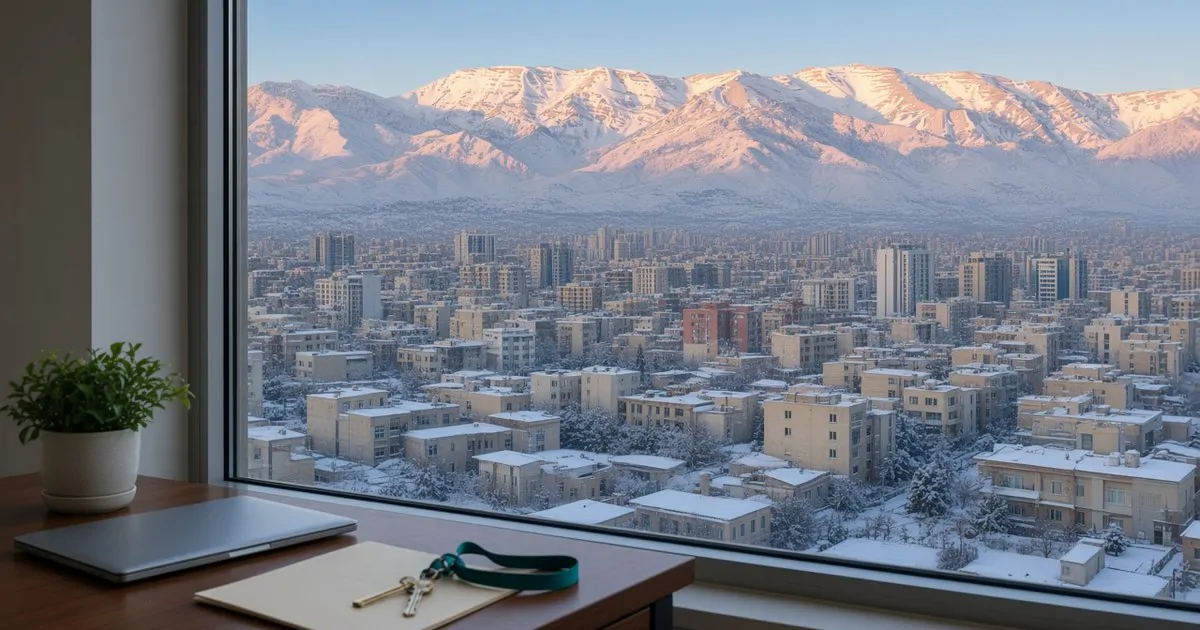
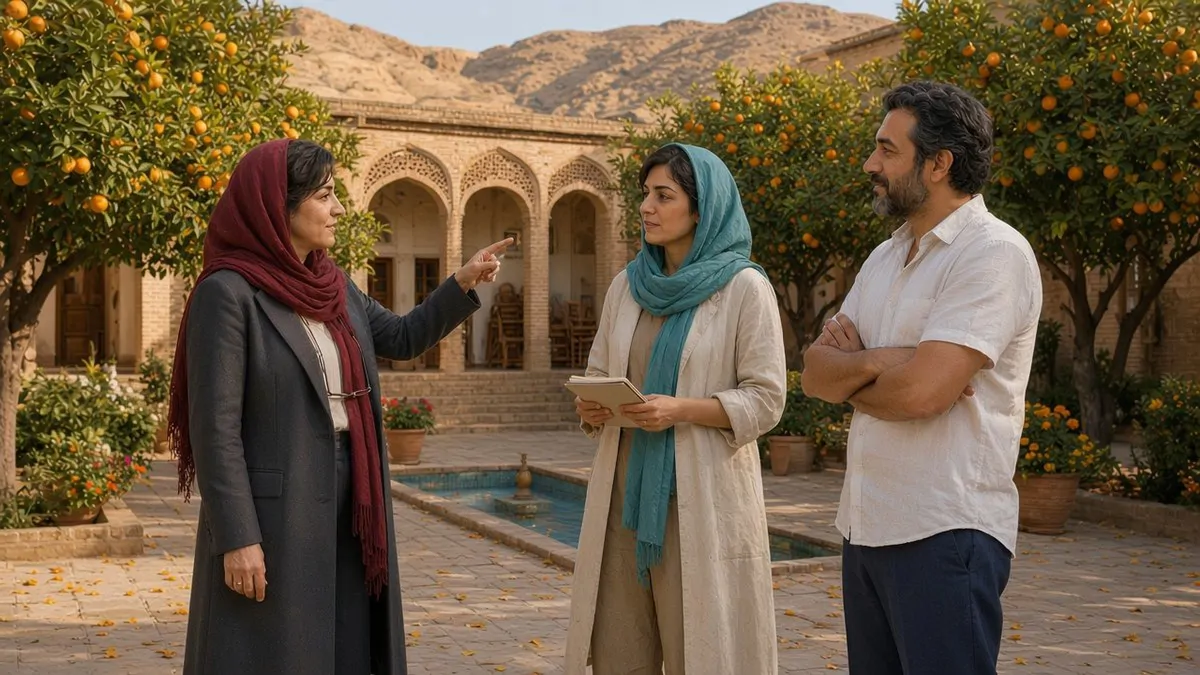
Setting: Shiraz, an old garden house on a side street near Chamran Boulevard and the Ghasr-o-Dasht garden alleys, 6 Mehr, late afternoon. Present: Maryam, Reza, Farzaneh.
Everyone assumed Nazanin would go to Shiraz. So did Nazanin, until the night her mother said, "And what would Kish do without you?" Nazanin stayed. Maryam and Reza came to Shiraz with two suitcases and a long list.
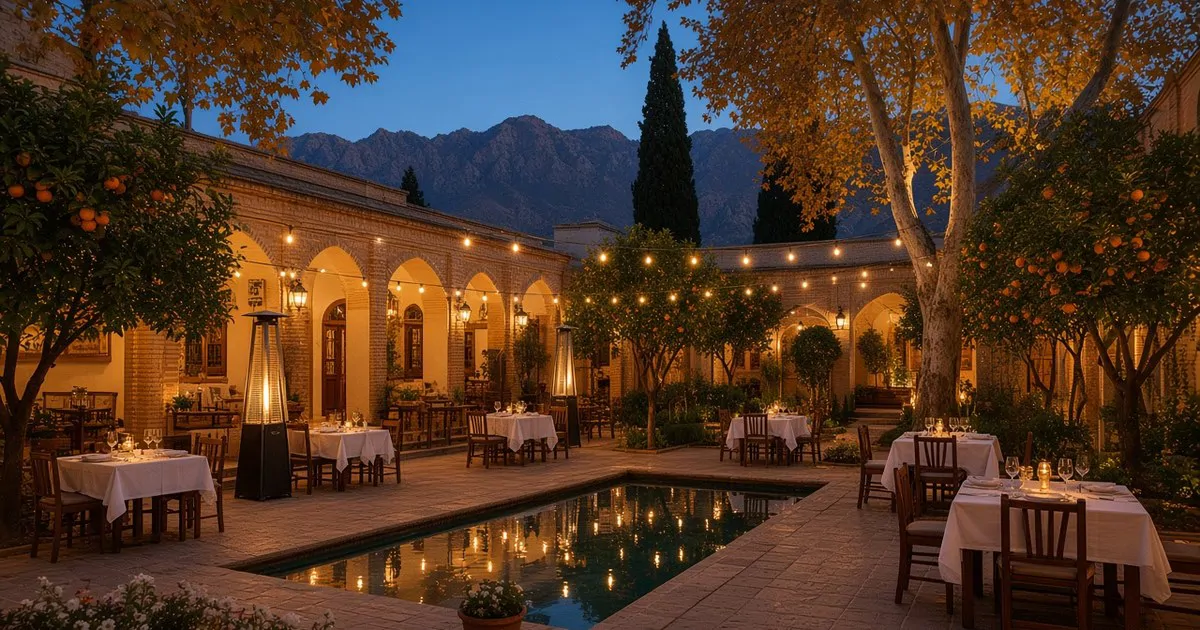
The garden house was a restaurant for years and now stands empty. It has a paved courtyard with a small pool and a few sour-orange trees, a brick veranda, and a hall that smells of fresh paint. The Mehr afternoon is still warm, but the shade under the trees is cool.
A woman in a burgundy headscarf, reading glasses hanging on a cord round her neck, walks across the courtyard testing the paving with the toe of her shoe. Farzaneh managed one of Shiraz's old garden restaurants for fifteen years. The whole city knows her, from the fish sellers at Darvazeh Kazerun to the guild union.
Reza: "We'll bring the fish from Bushehr. They load it at night, and it's here by morning."
Farzaneh: "The fish we can sort out. I'm not worried about the fish, Reza. I have three conditions."
Maryam opens her notebook.
Farzaneh: "One: I choose the Shiraz staff and I run their shifts. Two: my people's documents, their health cards, their contracts, are not somewhere anyone on Kish can see them. Three: don't ring from Kish every morning to ask what's going on. If you want to know, come and see."
Reza looks at Maryam. Maryam smiles.
Maryam: "The third one's the hardest. But agreed."
Farzaneh: "And one more thing, which isn't a condition, it's the law. This isn't Kish. Until the business licence comes through the union and we have the health approval, not one pot goes on the stove. And anyone who touches food needs a valid health card."
They set the opening day right there, beside the pool: 25 Aban.
Scene 2: Five in the morning: which jetty?
Setting: Shiraz and Kish, 14 Mehr, 5:10 in the morning. Present: Farzaneh (at home in Shiraz), Maryam (on Kish), and Milad, a new waiter at the Shiraz branch.
A week earlier, Maryam had added the eight new Shiraz staff to the restaurant's workspace on Sufi Platform. In a hurry, and with the same role the Kish staff have. She'd thought: "I'll tidy it up later."
At five in the morning, the Kish calendar's usual reminder goes out: "Fishing jetty; the lenjes are back." This time it goes to eight phones in Shiraz too.
Milad, who was up late scrubbing the courtyard tiles, half-opens his eyes and writes in the shift chat group: "Sorry, which jetty? We're in Shiraz!" A few minutes later someone on Kish replies: "Who's bringing the ice today?" The Kish shift group, with eight new members from Shiraz, descends into chaos.
At a quarter past five, Maryam's phone rings.
Farzaneh: "Good morning. This is exactly what I was talking about."
Maryam: "I know. It's my fault. They can't see the finance records or the Kish documents folder, because those were only ever open to named people. But they can see the Kish calendar and the Kish shift group. We'll fix it at noon. Together."
Farzaneh (after a short pause, laughing): "Milad wants to know if you'll have the jetty built by opening night."
Scene 3: Separate walls, a shared stream
Setting: a video call, Maryam behind the counter on Kish, Farzaneh on the veranda of the Shiraz garden house, the same day, noon. Present: Maryam, Farzaneh.
Maryam opens the workspace settings while Farzaneh watches from the other end.
Maryam: "Here's the question: does Shiraz need a separate workspace or not?"
Farzaneh: "Separate meaning two systems, two websites, two sets of books? No. I just want walls."
So the Shiraz branch becomes a new organisation unit in the same workspace, and Kish gets a unit of its own:
- Each branch, its own team. The eight Shiraz staff leave the Kish group and join the "Shiraz branch" unit. Farzaneh manages that unit.
- Each branch, its own calendar. With Sufi Calendar, Shiraz has its own organisation calendar, with shifts, the fish deliveries from Bushehr, and the union and health deadlines. The fishing-jetty reminder now goes to Kish only.
- Each branch, its own chat group. With SufiCom, a "Shiraz shift" group is set up, and the "Kish shift" group belongs to Kish again.
- Each branch's documents in its own folder. The "Shiraz staff documents" folder is open only to Farzaneh and Maryam. Not the Kish staff, not even Reza.
- Two-step sign-in for managers. Farzaneh, Maryam and Reza sign in with a password and a second step.
- What's shared stays shared. One website, one name, one colour scheme, one core menu. Maryam and Reza can see both units.
Farzaneh thinks for a moment.
Farzaneh: "In Ghasr-o-Dasht, every garden has its own wall. But all the gardens take water from the same stream. It's the same thing."
Maryam: "And if one day Shiraz gets big enough to want its own stream?"
Farzaneh: "We'll talk about it that day."
Maryam makes a note: a branch that grows large can have a separate workspace of its own. For now, one workspace is enough.
Scene 4: A page that smelled of the sea
Setting: the same video call, two days later, early evening. Present: Maryam, Farzaneh, and Reza, popping in from the kitchen.
The restaurant's website has one template and one name. Now Shiraz wants its own page. In SufiCMS, Maryam creates a new page from the Kish page's template and asks the editor hooshvare: "Write a short, warm introduction for the Shiraz branch."
The hooshvare drafts it. The first line reads: "Dinner by the sea, with the cool evening breeze."
Farzaneh laughs out loud.
Farzaneh: "Our nearest sea is at Bushehr. Nearly three hundred kilometres away."
Maryam doesn't approve the draft. In the site hooshvare's instructions, she adds one line: "For the Shiraz pages, don't write about the sea; write about the courtyard, the sour-orange trees, and the fish's road from Bushehr to Shiraz." The second draft reads: "Under the sour-orange trees of a Ghasr-o-Dasht garden house, fish from the south, the same fish that arrived from Bushehr this morning." Farzaneh changes two words. Maryam approves it. The hooshvare proposed; they decided.
Then it's the menu's turn, and here the argument gets serious.
Farzaneh: "Let's make the ghalieh mahi a bit milder for Shirazis. And Shirazi salad alongside the fish. And faloodeh for dessert."
Reza: "Mild ghalieh mahi? If my mother heard..."
Farzaneh: "Then two of them: Bushehri ghalieh mahi, your mother's recipe, and a mild ghalieh mahi. Let Shiraz choose."
Reza (after a long pause): "My name goes on the first one only."
Farzaneh: "Agreed. And the restaurant's name? I did suggest 'Zir-e Narenja'."
Maryam: "The name is shared. But the Shiraz page can say as much about sour oranges as it likes."
The Shiraz menu is built on the same site template, with the same name and colours. The core menu is the same, and a few Shirazi dishes appear only on the Shiraz page.
At the bottom of the Shiraz page, Maryam uses SufiForms to copy the Kish booking form and embed it on the page. With one difference: every booking from this page lands on the Shiraz branch's bookings calendar, not Kish's. Farzaneh makes the first test booking herself and sees it appear on the Shiraz calendar.
Scene 5: Ebrahim's health card, Reza's week, and inspection morning
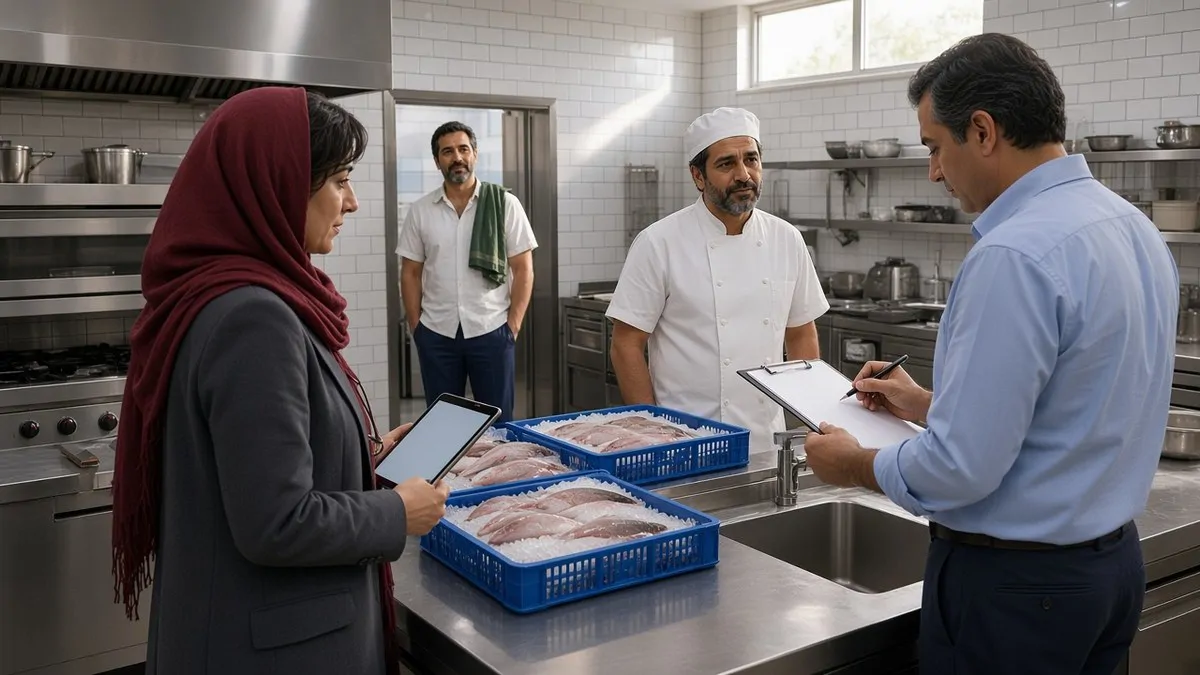
Setting: the Shiraz branch's new kitchen, 18 Aban, early morning. Present: Farzaneh, Ebrahim the Shiraz branch's cook, Reza, and the health inspector.
On the Shiraz calendar, Farzaneh has put every pre-opening task with a deadline and a reminder: postal code confirmation, economic code, the guild training certificate, the health approval application, and handing the documents to the union. Next to each name on the staff list is the expiry date of their health card. For people who work with food, the card is valid for six months.
Two weeks before the inspection, a reminder had reached Farzaneh's and Ebrahim's phones: "Ebrahim's health card expires on 20 Aban." Ebrahim had the card from his previous job and had forgotten. He went to renew it that same week.
Reza had a busy week too, half on Kish and half in Shiraz. The night before the inspection, he'd asked the calendar hooshvare: "Can I be in Shiraz on Tuesday morning?"
The hooshvare checked his personal calendar and both branches' calendars: "You have the fishing jetty on Kish at 5 a.m. on Tuesday. If you travel on Monday evening, you're free in Shiraz from 8 a.m. on Tuesday. The jetty reminder could go to Hassan." Reza handed the jetty reminder to Hassan and confirmed the Monday trip. The hooshvare proposed; Reza decided.
Now it's eight in the morning. The health inspector walks through the kitchen: the floor, the walls, the sinks, where the fish just in from Bushehr is kept. Then he asks: "Staff health cards?"
Farzaneh opens her tablet. It's the "Shiraz staff documents" folder, the one only she and Maryam can see. Every card is there with its expiry date. Ebrahim's new one too.
The inspector notes a few points and nods. When he leaves, Ebrahim lets out his breath.
Ebrahim: "Without that reminder, I'd have been explaining myself today."
Farzaneh: "For fifteen years that list was a sheet of paper on the back of the kitchen door. Every time someone slammed the door, it fell off."
Reza: "And now?"
Farzaneh: "Now you can slam the door as hard as you like."
Scene 6: Opening night under the sour-orange trees, and a blue jacket
Setting: the Shiraz branch courtyard, 25 Aban, night; and the next morning behind the restaurant counter on Kish. Present: Farzaneh, Maryam, Reza, Milad, Ebrahim, guests; and the next morning, Nazanin on Kish.
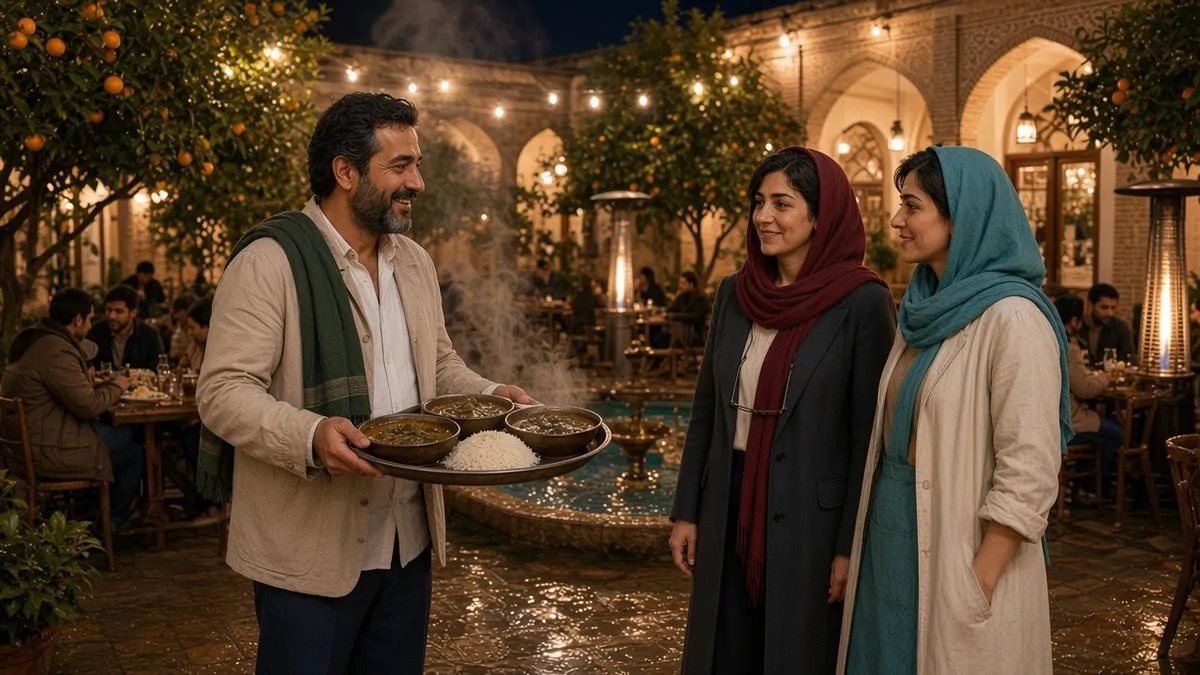
A light rain fell in the late afternoon, and the courtyard paving gleams under the lights. Aban nights in Shiraz are cool; guests keep their jackets on and sit by the tall patio heaters. The smell of grilled fish mixes with the smell of rain on earth.
Most of the bookings came through the Shiraz page and sit on the Shiraz bookings calendar. Milad reads the names off a tablet and shows guests to their tables.
A Shirazi family orders one Bushehri ghalieh mahi and one mild ghalieh mahi. When the plates come back empty, Reza looks at both. Both are clean.
Reza (quietly, to Farzaneh): "My mother must never find out."
The next morning at eight, Nazanin on Kish sees a new ticket. All the website's messages still arrive in one place in SufiHelpDesk. The message is long and a little scattered. Nazanin asks the ticket hooshvare for a summary:
"Last night's guest at the Shiraz branch, table by the pool. Her son's blue jacket was left behind. She's also asking whether the courtyard can be booked on Friday for a birthday for twelve."
Nazanin checks the summary against the original message; it's right. She refers the ticket to the Shiraz branch team. A few minutes later, Milad finds the blue jacket on the veranda coat rack. Farzaneh replies, with a photo of the jacket and the link to the Shiraz page's booking form for Friday.
On Kish, Nazanin no longer sees the ticket. She doesn't need to. It's with the people who found the jacket.
Scene 7: If Shiraz grows up one day
Setting: the Shiraz branch veranda, the morning of 26 Aban, before opening; Arash on a video call from Tehran. Present: Farzaneh, Maryam, Reza, and Arash on a phone screen.
Arash has seen the opening-night photos and called.
Arash: "Zan-amu, I heard the jetty reminder made it to Shiraz!"
Maryam: "Everyone's heard. Even the health inspector."
Farzaneh, who has been quietly drinking her tea, asks a question Maryam didn't expect.
Farzaneh: "Arash, you're a programmer. At my last restaurant, I saw an app someone had built overnight that, a year later, nobody dared touch. What's different about this one?"
Arash laughs first, then turns serious.
Arash: "I once built a booking page overnight with AI too. For trying out an idea, it was great. But for a restaurant's everyday work, someone has to answer for who sees what, where the backups are, and who does the updates. These days I try out ideas that way, and build the real thing on Sufi Platform."
Farzaneh: "And if one day Shiraz grows big enough to become its own company? Can I pick up my branch and take it with me?"
Maryam and Reza look at each other. It's a good question, and the answer is better:
- A big branch gets its own workspace. When a branch grows large, it can move from an organisation unit to a separate workspace of its own, with its own team, calendar and records.
- The core code is open. The core of Sufi Platform and its comprehensive modules are open source, and the code is on Sufi's GitHub. So how the software works is no secret, and any developer can read it and build on it.
- Pro modules, with a free licence. Pro modules such as SufiHelpDesk and SufiFinance are commercial, but each has a free licence from the console that suits small and medium companies. A new branch starts from there too.
Farzaneh: "So there are walls, and there's a gate."
Reza: "And the key is ours."
What's next?
On opening night Reza wrote something on the back of an order slip. Maryam found it this morning: "Bandar Abbas? Isfahan? Tehran?" Underneath, in smaller writing: "If we end up with five branches, where should our data live?" In the next part, Zir-e Nakhla has grown enough to move its workspace onto its own servers, and learns that your own server needs someone who takes backups and updates seriously.