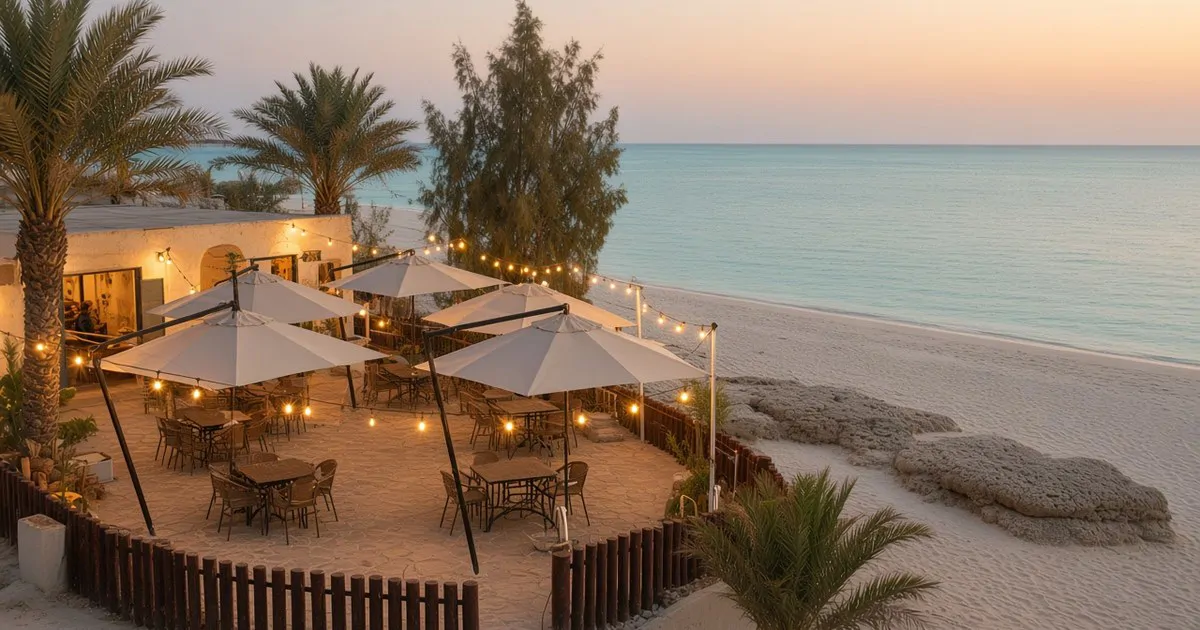
Zir-e Nakhla Restaurant, Kish Beach (part 3): eighty guests and an auditor's question
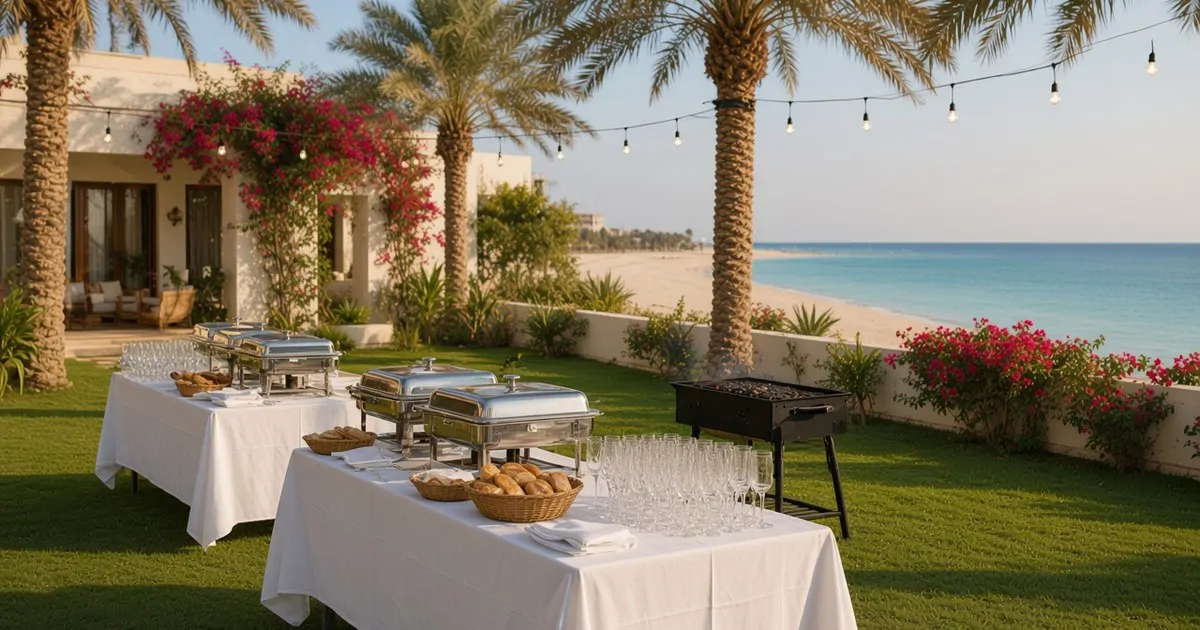
This is a story. "Zir-e Nakhla Restaurant" and its people are fictional, but every small business owner will know their worries. In part 2, the restaurant made it through the Nowruz rush. Now it's Ordibehesht, the second month of spring, and party orders are coming in: orders that need a deposit.
Scene 1: A receipt with no name, and a worried voice from Tehran
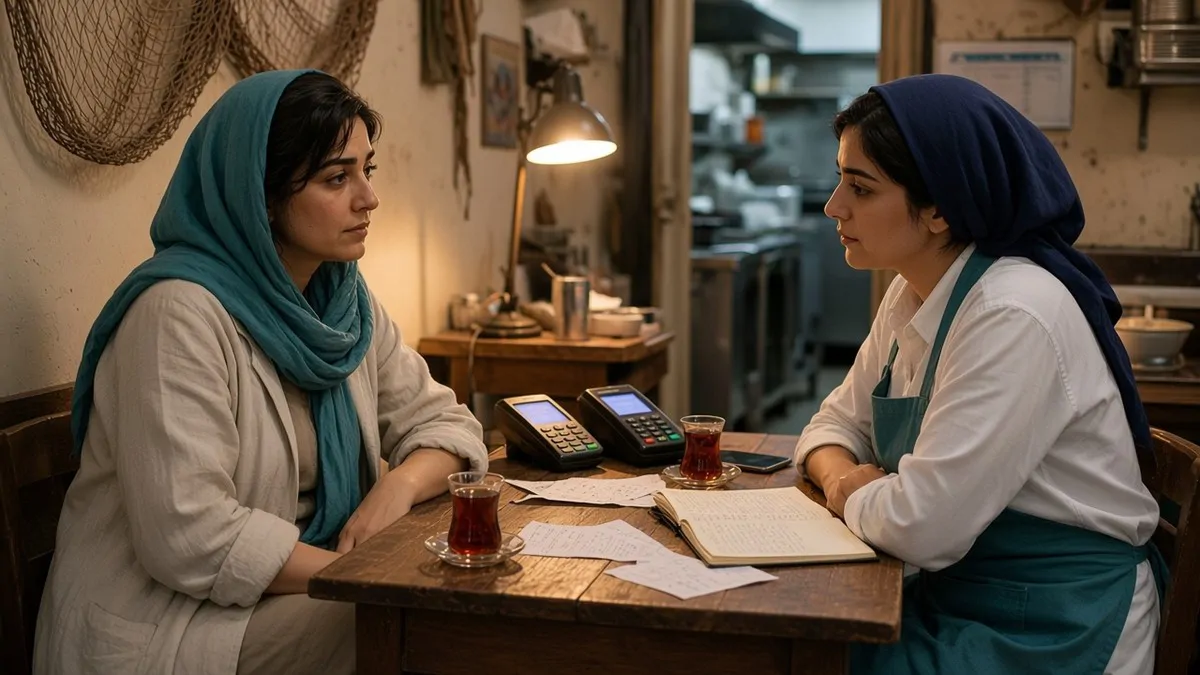
Setting: the small room behind the kitchen, Ordibehesht 8, around midnight after closing. Present: Maryam, Nazanin the cashier.
Ordibehesht is a good month on Kish. The air is still dry and the evening breeze is cool. Companies bring their staff to the island, and families want dinner by the sea for birthdays and engagements. Besides the tables on its terrace, Zir-e Nakhla now takes catering orders too, and every catering order comes with a deposit.
On the little desk there are card readers from three banks, a handful of paper slips and a notebook Maryam has named "the deposit book". Nazanin holds up Reza's phone.
Nazanin: "Someone sent this receipt screenshot, but there's no name on it. Whose money is this?"
Maryam: "I don't know. Monday's birthday, maybe."
That afternoon Ms Farahani, who organises events for a Tehran company, had called. Her company is bringing its staff on their yearly trip to Kish, and for the last night, Ordibehesht 24, they want dinner for eighty people in the garden of a rented villa by the beach.
Maryam can still hear her voice. The voice of someone who has done this before.
"Last year, for this same trip, we paid the deposit to a card number a caterer gave us. The card was in his brother-in-law's name. The invoice never came. For months our internal auditor asked me where that money went, and I had no answer. This year I have two conditions: the invoice in the company's name, and the deposit paid online. And anything that changes later has to be written down somewhere. Because this year the same auditor checks everything."
Maryam looks at the notebook, then at the receipt with no name.
Maryam: "Nazanin, if that company's auditor saw this notebook, what would he say?"
Nazanin (quietly): "What I say every night: whose money is this?"
Scene 2: Nazanin asks for the key
Setting: behind the restaurant counter, Ordibehesht 10, in the morning before opening. Present: Maryam, Nazanin, and Mr Karami the accountant on the phone.
Since she joined Zir-e Nakhla, Nazanin hasn't said much. But this morning she's in before everyone else, and she puts the notebook down in front of Maryam.
Nazanin: "I add up these slips every night. If someone has to answer that company's auditor, let it be me. But not with a notebook."
SufiFinance had been in the restaurant's workspace with its free licence since day one; nobody had ever set it up. Now Nazanin and Maryam open it together. The restaurant already has a ZarinPal payment gateway in its own name, which Mr Karami, the part-time accountant, set up last year and which hardly ever got used. The gateway is connected to SufiFinance.
Mr Karami (on the phone): "Remember, Kish has VAT too. I'll set the rate in the settings. Please don't touch it."
Nazanin: "If the rate changes next year, do this year's invoices change too? If the auditor looks at them next year..."
Mr Karami: "No. The rate is fixed on each invoice the moment it's issued. Good question."
Nazanin writes the first invoice for Ms Farahani's company. In the company's name. In Toman. The lines are clear: dinner for eighty, serving staff, taking the hot food to the villa. VAT goes onto the invoice and the total is plain to see. Then she issues a separate deposit invoice; Maryam and Ms Farahani agreed to a third, with the rest after the event.
At noon, in her office in Tehran, Ms Farahani pays the deposit online through ZarinPal. A few minutes later the invoice shows as "paid" in SufiFinance: the company's name, the amount, the date.
Then, in SufiCom, Maryam writes an email template called "Catering order confirmed", with a Persian version and an English one for foreign guests: the order is booked, the deposit has arrived, and here's who to reach at the restaurant on the day. Nazanin sends the email to Ms Farahani from that template, and the message log shows when it went out.
Ten minutes later Ms Farahani calls. She says one sentence:
"This is the first email I can forward to the auditor without explaining anything."
Maryam makes one more decision that day: only she and Nazanin can see SufiFinance. Hassan and the rest of the kitchen see the calendar and the team chat, not the invoice amounts. SufiFinance isn't a full accounting system, and Mr Karami keeps his books in his own software as before; but now every invoice and every online payment is in one place.
Scene 3: One sentence for a form
Setting: the same counter, the same day, late afternoon. Present: Maryam, Reza, Nazanin.
The order details still live in the notebook: where, how many people, what food, who's allergic to what. Maryam opens the form creator hooshvare in SufiForms and writes one sentence:
"Build an internal form for catering orders outside the restaurant: the customer's name and phone, the date and time of the event, the venue address, number of guests, menu, food allergies, deposit amount and payment status."
The hooshvare proposes a form, and Maryam reads it the way she reads Hassan's new menu:
- She removes one field. The hooshvare had added "customer's national ID number". "If we don't need it, we don't ask for it."
- She adds one field. Nazanin suggests: "The only person on the customer's side who can change the order." Maryam asks why. Nazanin says: "Because companies are eighty people, and any of them might call."
- She makes one field required. "Food allergies". After Nowruz, nobody at the restaurant forgets that one.
The form isn't public; only the restaurant's staff fill it in. In the new field goes Ms Farahani's name.
Reza wants the dates in a calendar, not a form. In Sufi Calendar, a new organization calendar is created, called "Catering": the Ordibehesht 24 party, with reminders alongside; order ice the day before, fish from the fishing jetty at 5 am, load the dishes at 4 pm.
Scene 4: Two voices from one company
Setting: the restaurant kitchen, Ordibehesht 22, late afternoon. Present: Reza, Maryam, Nazanin.
Reza's phone rings. A man introduces himself as the CEO's assistant at the same Tehran company, warm and talkative.
Assistant: "Mr Reza, the CEO says a few more people are joining, VIP guests. And change the whole menu, kebabs only. Same time as before."
Reza: "Of course, of course..."
Reza hurries towards the kitchen to tell Hassan. Maryam stops him.
Maryam: "How many people?"
Reza: "He said a few."
Maryam: "And he changed the menu too? What does Ms Farahani say?"
Nazanin opens the order form. In the field "the only person who can change the order" there's one name: Ms Farahani.
And that very morning, Ms Farahani had sent her changes herself from "My tickets": twelve more guests, six vegetarian plates, and an hour later because of the staff's programme. Nothing about the menu.
Under that ticket, Maryam asks Ms Farahani: the CEO's assistant called today with different numbers and a different menu; which is right? The answer comes half an hour later:
"What I wrote in the ticket. He was talking about last week's plan, which was cancelled. Thank you for asking instead of just changing it."
Reza (shaking his head): "If I'd gone with the phone call, tomorrow night there'd be ninety-two people and we'd have kebabs for somebody else's party."
Nazanin: "And the auditor would be asking who ordered the kebabs."
Maryam updates the order in the form and posts a summary in the team chat group "Catering, Ordibehesht 24": ninety-two people, six vegetarian plates, an hour later, menu unchanged.
Scene 5: The fishing jetty, before sunrise
Setting: the Kish fishing jetty, Ordibehesht 24, 5 am. Present: Reza and Hassan the cook.
At 4:30 the calendar reminder lights up Reza's phone: "Fish, fishing jetty". Beside Captain Abdollah's lenj, the crates are full of fresh fish on ice.
Hassan: "That's enough for ninety-two. But what if that assistant turns up tonight wanting kebabs?"
Reza (laughing): "We'll tell him to open a ticket."

Scene 6: Party night in the villa garden
Setting: the garden of a rented villa by the beach, the same day, at night. Present: Maryam, Reza, Hassan, the serving staff, Ms Farahani and the company's staff.
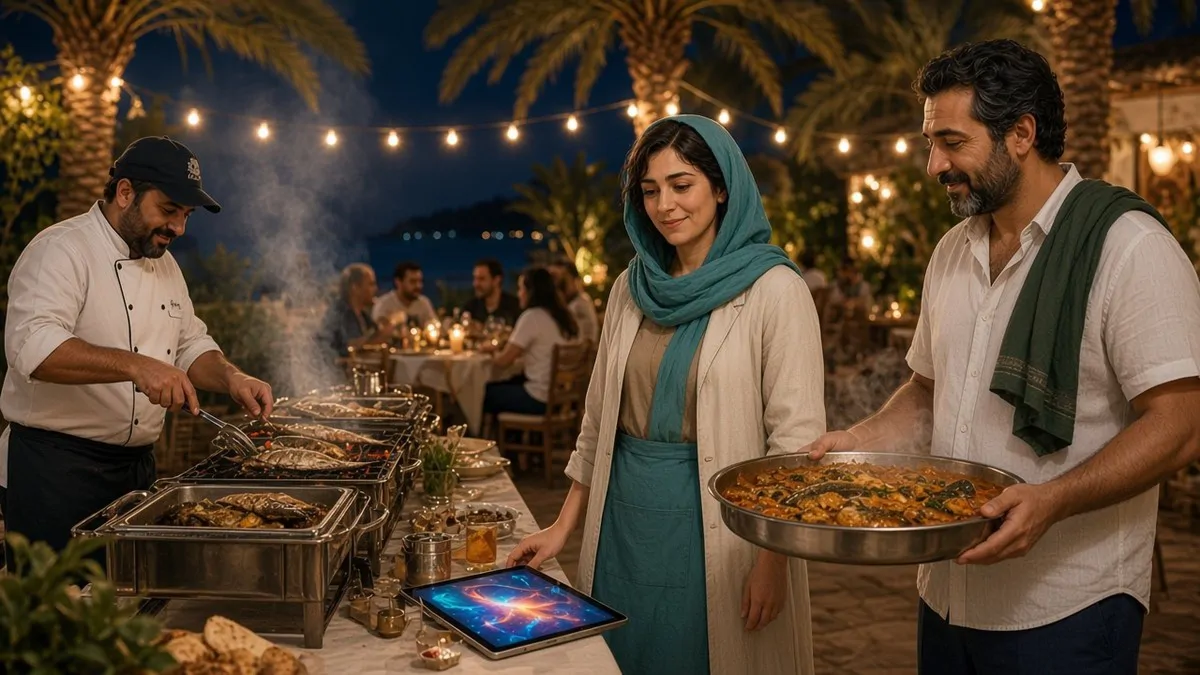
The Ordibehesht breeze comes in off the sea. Hassan is at the charcoal grill, and the smell of grilled fish reaches the far end of the garden. Reza sets out the ghalieh mahi, his mother's recipe from Bushehr, in the chafing dishes.
The CEO's assistant is here too. He fills his plate with ghalieh mahi and tells Reza: "Good thing it wasn't kebabs."
Ms Farahani stands next to Maryam. For the first time on this trip, her phone is in her bag.
Ms Farahani: "Last year, on the last night, I lay awake wondering what the auditor would ask the next day. Tonight I'm only thinking about the food."
Maryam: "The six vegetarian plates are here too. With names on them."
Scene 7: The auditor's ticket
Setting: behind the restaurant counter, three days later, in the morning. Present: Nazanin, Maryam, and Mr Karami, in for his monthly visit.
A new ticket arrives, and this time it isn't from Ms Farahani. It's from the same company's internal auditor. The tone is polite and precise:
"The final amount differs from the first quote. Please tell us who asked for each change, when, and through which channel. And please send the final invoice in the company's name with full details."
Last year that same question went unanswered for months. Nazanin opens the order ticket, with its long thread of messages, and asks the ticket hooshvare for a summary. In a few lines it writes: first count eighty; twelve more guests, six vegetarian plates and an hour later, all requested by Ms Farahani from "My tickets"; a phone call from the CEO's assistant, which Ms Farahani turned down in writing; one extra hour for the serving staff; deposit paid.
Nazanin checks the summary line by line against the order form and the invoices. It's right. The hooshvare summarised; Nazanin approved.
The final invoice goes out, in Toman, with the same VAT still fixed on it. Nazanin replies to the auditor with the summary and the invoice. In the afternoon the balance is paid online, and the auditor writes only: "Complete. Thank you."
Mr Karami, who has been reading over Nazanin's shoulder, takes off his glasses.
Mr Karami: "Ten years I've been doing accounts. First time a customer asks a hard question and we don't argue over the answer. But I have a question too: if one day we don't want this system any more, is our data someone's hostage?"
Maryam smiles. Reza asked the same thing in part 1, and the answer hasn't changed.
The core of Sufi Platform and its comprehensive modules are open source, and the code is on Sufi's GitHub. Pro modules such as SufiFinance are commercial, but each has a free licence from the console that's enough for small and medium companies, the same licence Zir-e Nakhla has had from day one. For a restaurant, that means:
- You aren't locked in to one company. The core is open, and anyone can see how it works.
- Invoices and orders live in the restaurant's own workspace. Not in a notebook in a drawer, and not in anyone's personal account.
- Whoever comes next can carry on. A new accountant, a new developer, or Nazanin when she runs the second branch.
Nazanin puts the deposit book in a drawer.
Nazanin: "I found the receipt with no name, by the way. It was Monday's birthday. The notebook's last mystery."
Mr Karami: "And the first audit I've ever enjoyed."
What's next?
On the party night, one of the company's staff had come up to Reza: "Do you have a branch on the mainland? There's nowhere like this in our city." Reza had laughed. But since that night he can't stop thinking about it. In the next part, Zir-e Nakhla opens its second branch: its own team, its own access, its own calendar, all in one workspace.