Zir-e Nakhla Restaurant, Kish Beach (part 1)
This is a story. "Zir-e Nakhla Restaurant" and its people are fictional, but every small business owner will know their worries. In this series, we follow one Iranian business each day as it starts small and grows.
Scene 1: Sunset, a full terrace, and a notebook full of crossings-out
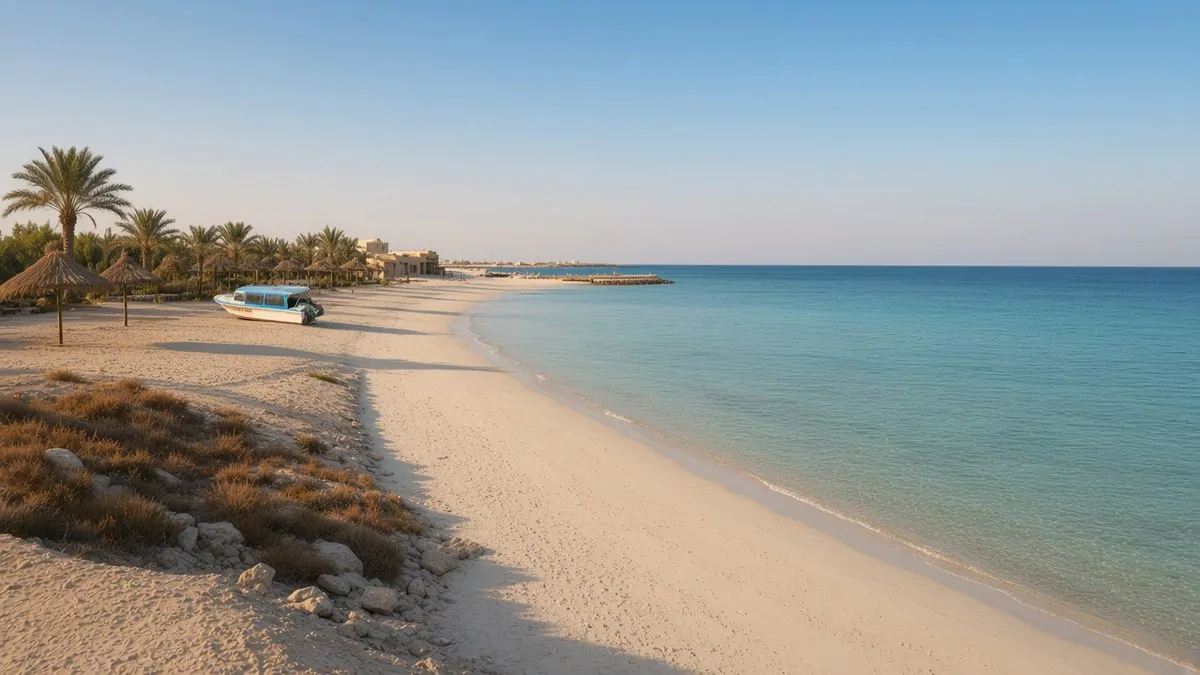
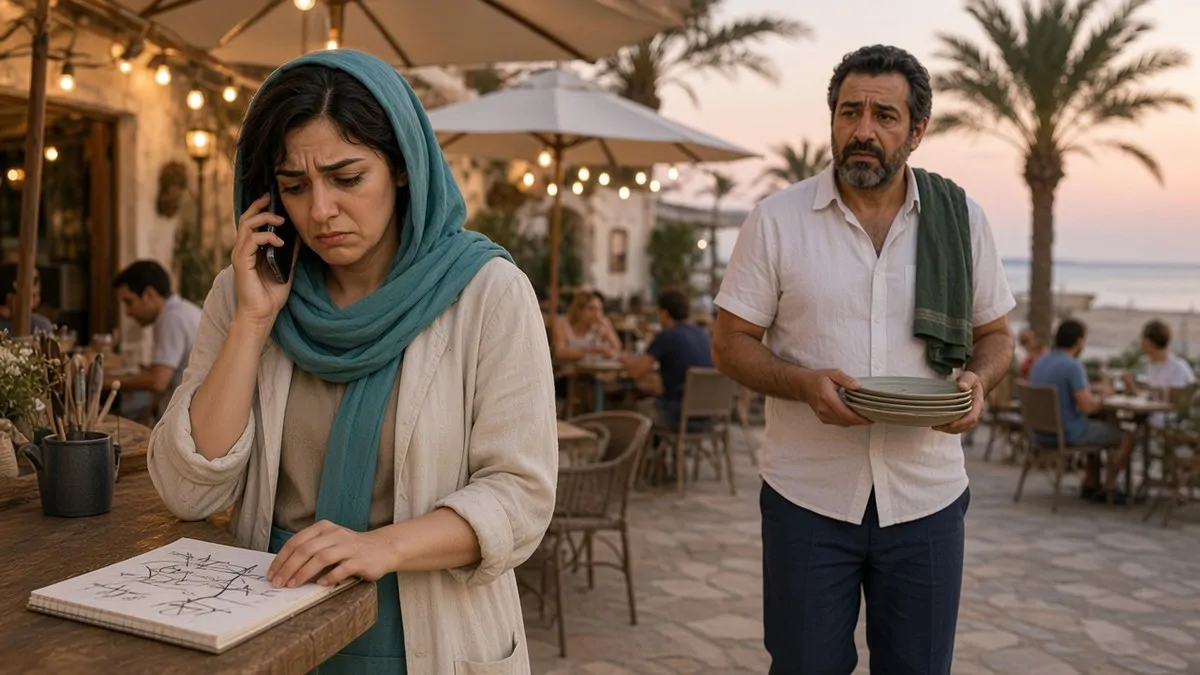
Setting: Zir-e Nakhla's wooden terrace by the Kish shore, at sunset. Present: Maryam, Reza, guests.
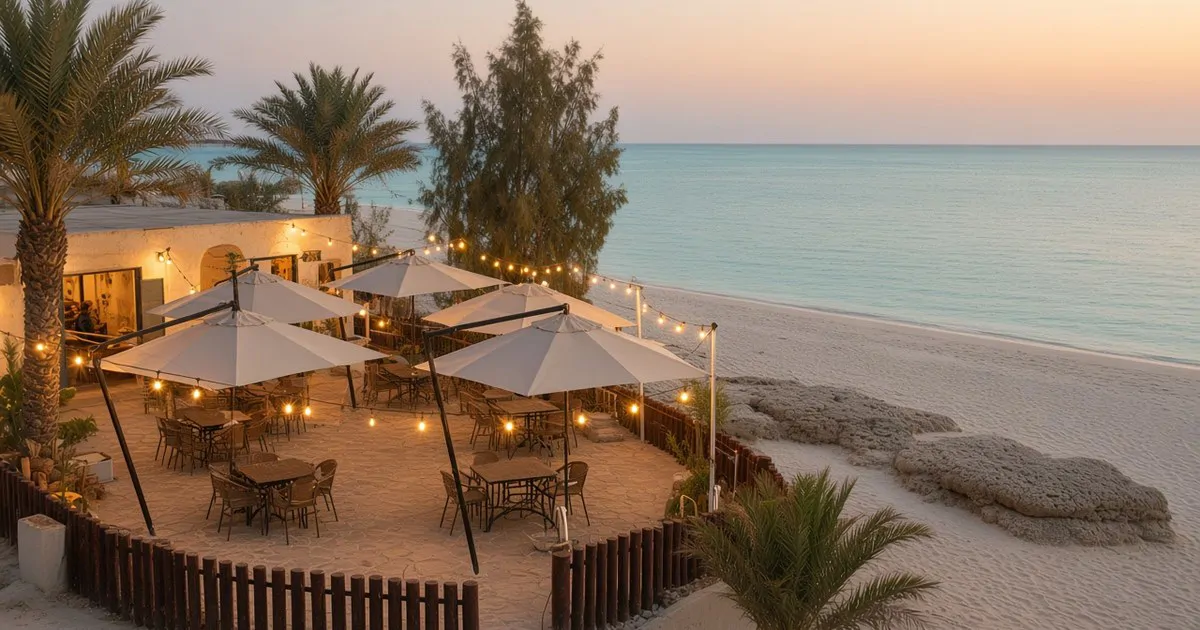
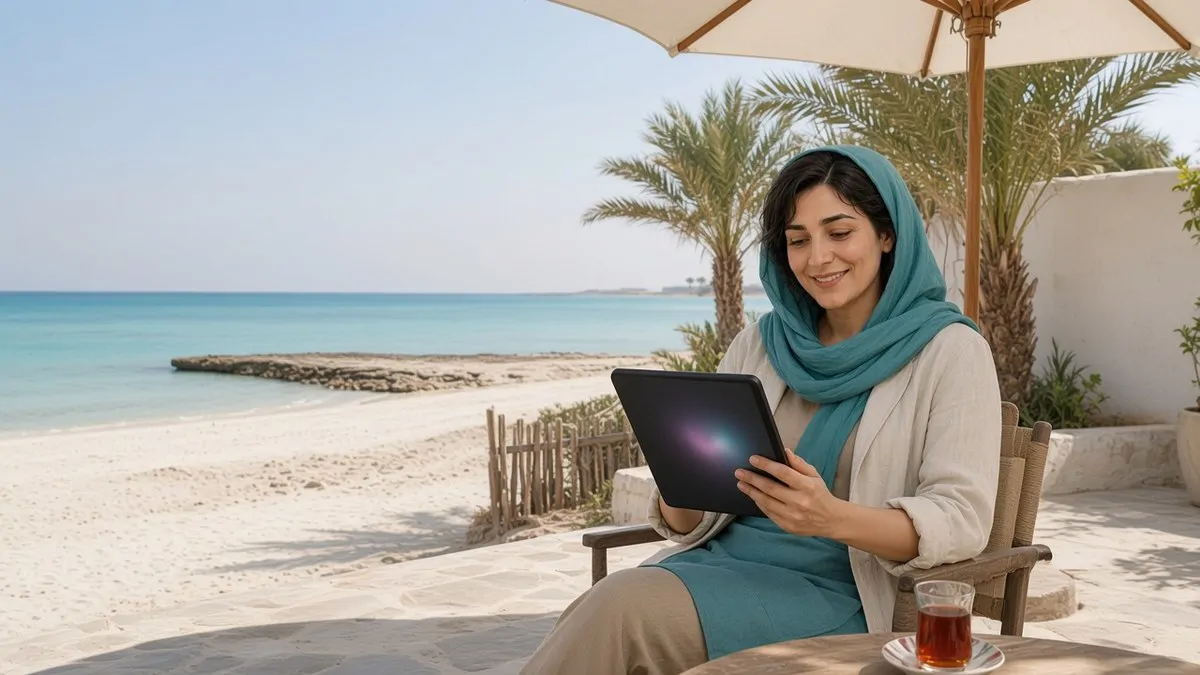
Three years ago, Maryam and her husband Reza opened a small seafood restaurant on Kish: eight tables on a wooden terrace, a tiny kitchen, and a ghalieh mahi whose recipe Reza's mother brought from Bushehr. At sunset the terrace fills up, and most guests are travellers.
Tonight it's full again. The phone behind the counter won't stop ringing. Maryam picks it up and looks at a notebook full of crossings-out.
"Yes, we have parking... A kids' menu? Yes... We're open till midnight."
Reza walks past with a stack of plates.
Reza: "Maryam, do I go to the fishing pier tomorrow morning or the day after? When is Captain Abdollah's boat back?"
Maryam: "I wrote it on the paper on the kitchen door... if nobody's wiped it off."
The menu lived in three places, with three different sets of prices. A guest who came last year and called again was a stranger to them.
Scene 2: The tempting shortcut, a tool built overnight
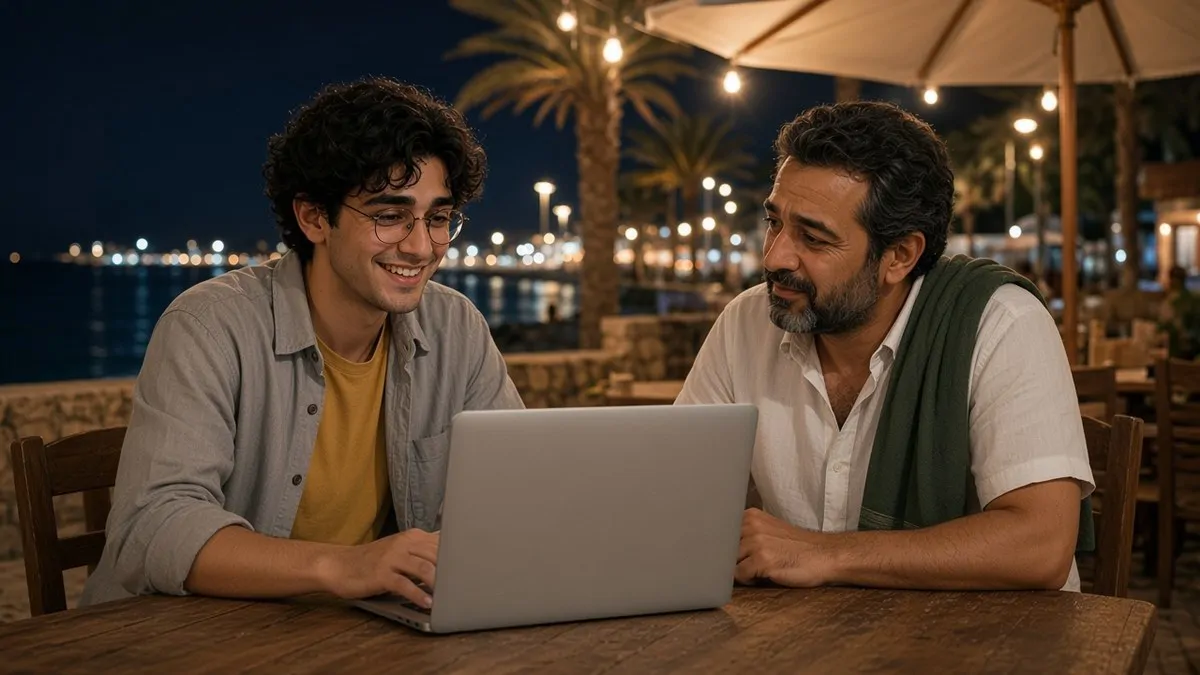
Setting: a corner table after closing, at night, by lantern light. Present: Arash, Reza, then Maryam.
Arash, Reza's nephew, is a student who knows his way around AI. He has spent a few hours chatting with an AI chatbot, and now he proudly turns his laptop towards his uncle.
Arash: "Look, uncle! A booking page. I built it tonight."
Reza: "Does it actually work?"
Arash: "Try it!"
It worked, and everyone was delighted. Three weeks later, on a busy Thursday night, things looked different. Two families arrived at the same time, both holding up their phones: table 4, nine o'clock. An hour later a guest called to say the booking page wouldn't open at all. The next day a woman complained that after booking, she'd started getting advertising texts from an unknown number.
That night, after closing, Maryam sat down next to Arash:
Maryam: "Arash, why did we give one table to two families? Where can I see tonight's bookings and be sure nothing's missing?"
Arash: "Maybe they both pressed the button at the same moment... I'll have to dig into it."
Maryam: "And why wouldn't the page open? If it goes down again tomorrow night, what do I tell the guests?"
Arash: "I put it on a free foreign service. Sometimes it's slow, sometimes it doesn't open from Iran. And the paid plan needs a foreign card."
Maryam: "Who can see our guests' numbers? How did that lady end up getting those texts?"
Arash (a little embarrassed): "Honestly... I don't know. I didn't think it would come to this."
Reza: "And you're back in Tehran for your studies next month. If it breaks then, who do we call?"
Building a tool is easy now; trusting it with real work isn't. A tool that real customers and real money depend on needs someone who understands infrastructure, security, backups and updates, and who is responsible for them.
Scene 3: A quiet morning, starting small with a hosted workspace
Setting: the sea-facing terrace, early morning before opening. Present: Maryam, then Reza.
Instead of building everything from scratch, Maryam decided to start with Sufi Platform in its smallest form: a hosted workspace at the restaurant's own address, installed and updated by the Sufi team. She didn't buy a server or hire anyone to install anything. She sat down with a glass of tea:
- A small website with a bilingual menu. With SufiCMS, she built pages for the menu, opening hours and directions: Persian for Iranian guests and English for foreign travellers. The menu now lives in one place, and every change happens there.
- A hooshvare as her writing helper. Right in the site editor, Maryam typed: "Write a short, warm description of ghalieh mahi." The hooshvare (Sufi's AI helper) drafted one, she changed two words and approved it. The English menu and her first blog note, "Which pier did today's fish come from?", were written the same way. The hooshvare suggests; the final call is always hers.
- Table bookings from the website. With SufiForms, she put a simple booking form on a site page: date, time, party size and phone number. Each booking goes onto the restaurant's bookings calendar, so everyone can see which tables are taken tonight.
- A team calendar. With Sufi's calendar, next to the bookings calendar, the restaurant has a shared work calendar: cook and cashier shifts, the early mornings for buying fresh fish from the fishermen at the pier, and permit renewal dates. Reminders arrive by email or in-app notification. Reza also has his own personal calendar, for meetings with the ice supplier.
- A guest list. With SufiCRM, she keeps the numbers of guests who asked to stay in touch, and imported her old list from a file.
- Short links on table cards. One short link to the menu, printed on a small card that goes out with the bill.
- Everyone sees only their own work. Reza, the cook and the cashier each have their own account and can reach only the parts they need. Food photos and permit files sit in folders only the right people can see.
Reza arrives with a tray of tea, and his phone chimes.
Reza: "Reminder: fishing pier, tomorrow at six a.m. The boats are back."
Maryam (smiling): "Nobody's wiping the kitchen door any more."
That same day, last year's guest books a table on the website. The booking lands on the calendar, and Maryam sees in the guest list that they like the table by the railing.
Scene 4: A glass-walled kitchen, "open source" in plain words
Setting: the counter, late afternoon before the rush. Present: Maryam, Reza.
Maryam: "Reza, if this company disappears tomorrow, what happens to my menu and my guest list?"
Reza: "They say it's open source. What does that mean?"
The core of Sufi Platform and its main modules are open source, which means the recipe for the software isn't hidden and anyone can read it: https://github.com/sufi-chain It's like a kitchen with glass walls, where anyone can see how the food is made. For a restaurant owner, that means:
- You aren't held hostage by one company. Your data is yours, and the software you work on holds no secrets only one company knows.
- It can be seen and checked. Independent experts can also see how the software works.
- It grows with a community. Improvements other people make are useful to you too.
Reza (laughing): "So it's like my mother's ghalieh mahi: everyone knows the recipe, but not everyone can cook it well."
The Pro modules, such as SufiFinance, are commercial rather than open source, but each comes with a free licence from the console, with limits suited to small and medium businesses. Zir-e Nakhla starts on that free licence.
And for the day the restaurant grows, this same hosted workspace can move to the business's own servers. That story belongs to later parts.
What's next?
Nowruz is coming, and Kish has its busiest days of the year then. In the next part, we'll see how Zir-e Nakhla copes when questions and complaints multiply, with SufiHelpDesk and its hooshvare, and what becomes of Arash's booking page during those days.