Hospitality for everyone: seven steps to a stay every guest can enjoy
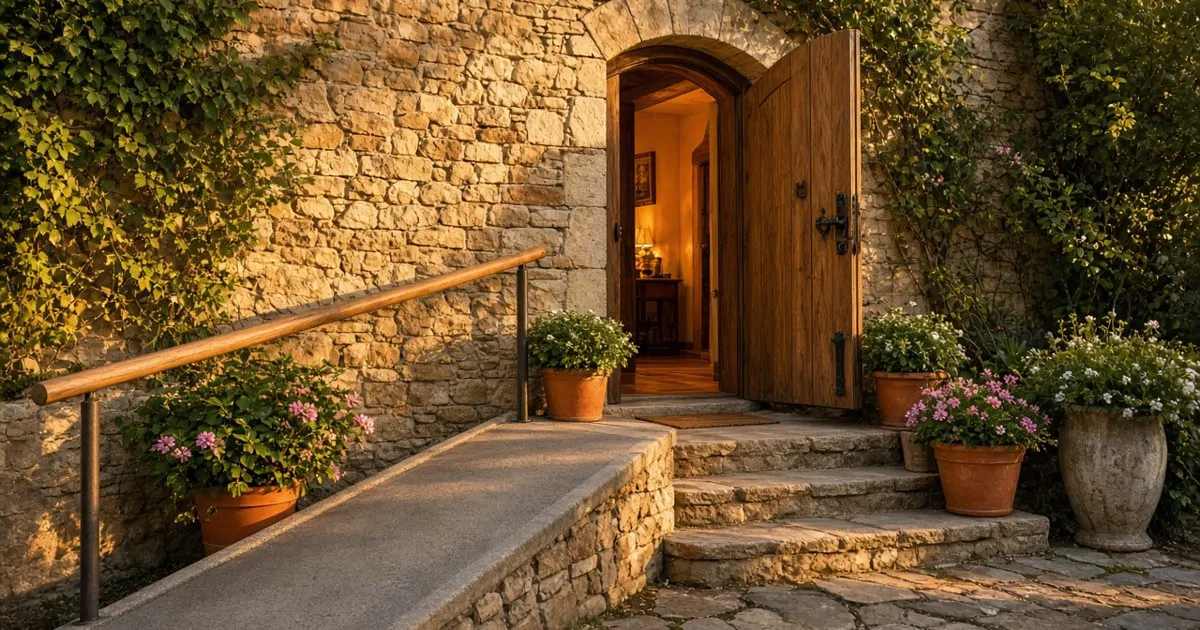
Hospitality means everyone who walks through your door feels you were expecting them. But for a guest who travels in a wheelchair, has low vision, is deaf, or for parents pushing a stroller, the front door itself can be the first barrier. The World Health Organization estimates that about 1.3 billion people, or 1 in 6 of us, live with a significant disability, and that number is growing as people live longer.
UN Tourism's 2025 Accessibility Guidelines for Tourism Businesses point out that accessible services help not only guests with disabilities but also seniors and many other travelers, and that this can strengthen a business's competitiveness. The good news is that most first steps don't need an expensive renovation. These seven work the same for a guesthouse, an eco-lodge, a small hotel or a holiday rental.
1. Ask at the moment of booking
Fáilte Ireland's checklist for hotels and guesthouses suggests asking every guest one simple question when they book: "Do you, or those you are travelling with, have any accessibility requirements?" In your confirmation, repeat their needs back in your own words so they know they were heard, and be honest about what you can and can't provide. Offer several ways to reach you, such as phone, text and email, since not everyone can talk on the phone.
2. Write an honest access guide
VisitBritain's research found that travelers with access requirements want detailed, factual descriptions of a venue so they can decide for themselves. A good guide follows the guest's route from arrival to entering and moving around, with measurements and photos: door widths, the number of steps, the distance from parking to the door, bed height and the bathroom layout. APEC's best-practice guidelines for small tourism businesses add that no business will ever be "fully accessible" for everyone and shouldn't advertise itself that way; give accurate information and let guests choose. Check that your details on booking sites and local tourism sites match reality too.
3. Small fixes, big difference
Many barriers cost little to remove. The Irish checklist gives examples: keep outside paths clear of leaves, moss, ice and obstacles; put a few chairs near reception for anyone waiting; keep pen and paper or a small whiteboard handy for deaf guests; and turn background music down, or offer a quiet corner, where staff talk with guests. Even the doormat matters: the same checklist explains that a plain black mat can look like a frightening hole to people living with dementia, so choose one with contrasting color.
4. Prepare rooms with care
Small details matter in the room as well. The Irish checklist suggests adjusting bed height on request so transfers from a wheelchair are easier, providing a TV remote that turns on subtitles and audio description, and hanging mirrors at heights everyone can use. One key point for housekeeping: don't put back furniture or personal items a guest has moved; they were probably placed there on purpose, within reach.
5. Plan safety for everyone
A fire alarm doesn't help a guest who can't hear it. The Irish checklist suggests considering strobe-light alarms or a vibrating pillow pad and telling guests about them in advance. Keep a clear emergency evacuation plan for guests with disabilities and review it regularly, for example twice a year. Ask every guest whether they would need help in an evacuation, and record any arrangement you agree on.
6. Make your website and marketing accessible too
For many guests, the trip starts on your website. The World Wide Web Consortium, the body that develops web standards, publishes the Web Content Accessibility Guidelines, and the Irish checklist lists a few simple steps: write alternative text for every image so screen readers can describe it, don't put important information only inside pictures, keep enough contrast between text and background, and caption your videos. Also name the person, and how to reach them, who answers accessibility questions.
7. Prepare your team and learn from every question
No facility replaces a warm, informed welcome. The Irish checklist recommends giving every staff member, including part-time and seasonal staff, a copy of your access guide and practicing a few communication habits: a clear welcome, plain and respectful language, adjusting pace and tone, and active listening. Staff should know not to touch, feed or distract trained assistance dogs. Finally, ask your team to note the accessibility questions and problems guests raise, so you can keep improving your information and service.
One task for this week
On a quiet day, walk a guest's route yourself from the parking area to a room, and note every step, heavy door, hard-to-read sign or obstacle, with a photo and a measurement. Those notes become the core of your first access guide and your list of small fixes for next month.
Sources
- Disability and health, fact sheet, World Health Organization
- Accessibility Guidelines for Tourism Businesses, UN Tourism, December 2025
- Checklist: Accessible and Inclusive Tourism, Hotels, B&Bs and Serviced Accommodation, Fáilte Ireland
- Providing accessibility information, VisitBritain
- Tourism Access and Inclusion: Best Practice Guidelines for Tourism MSMEs in APEC, APEC
- WCAG 2 Overview, W3C Web Accessibility Initiative
The best compliment a guest can give your place is: "They had thought of everything." Here's to hosting great journeys.